
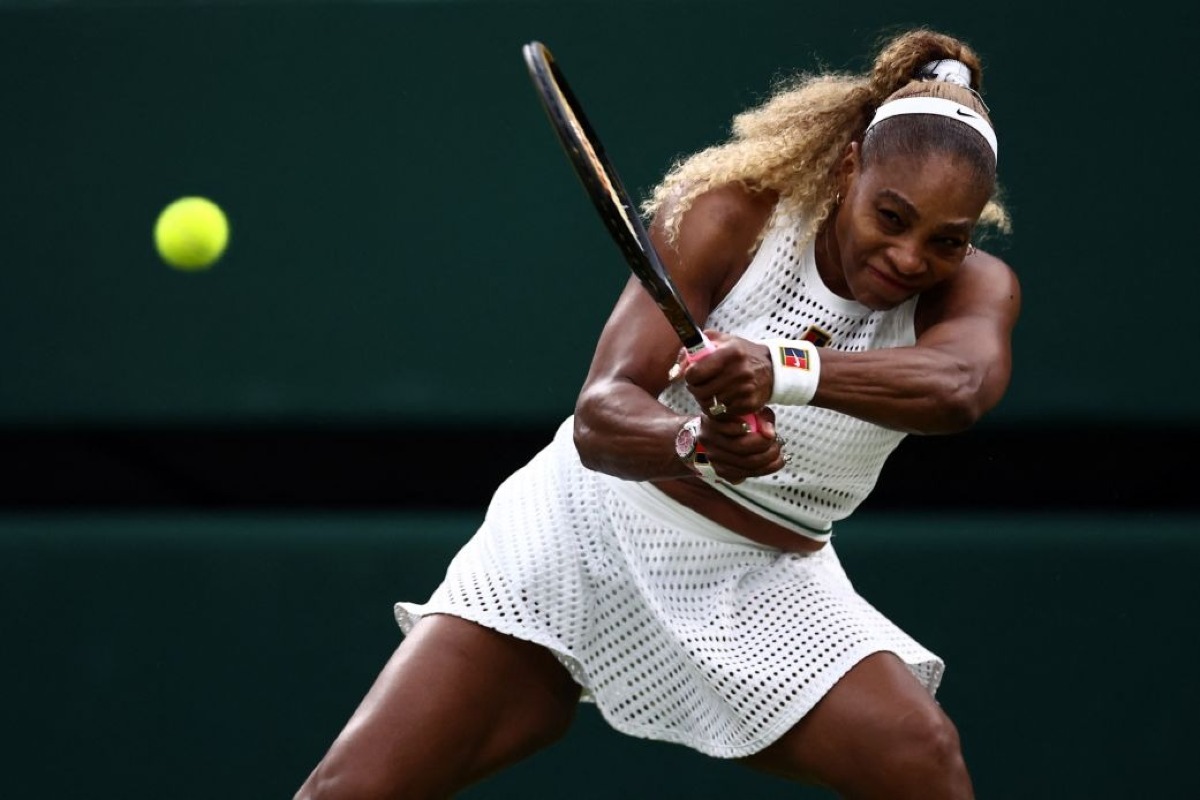
Serena’s Wild Card Shifts Betting Talk

Alt: Serena Williams
Serena Williams has received Wimbledon’s final ladies’ singles wild card, turning a simple entry update into one of the tournament’s biggest early talking points. The announcement also drew attention from tennis bettors, who began reassessing possible opening-round matchups, player-specific odds and registration options such as https://1xbet.ie/en/registration as interest around her return grew. Still, her comeback does not make her an automatic contender: the seven-time Wimbledon champion enters the singles draw without a ranking, leaving fitness, match rhythm and draw position at the center of the conversation.
A champion returns without a seed
The All England Club’s decision brought Williams back into singles at a Grand Slam for the first time since the 2022 US Open. It also placed her in an unusual position: a former world No. 1 and 23-time major champion entering as an unseeded wild card.
That contrast gave the news its edge. Wimbledon was not only welcoming back a familiar Centre Court figure; it was adding a player whose name can move public interest faster than most active contenders. Yet the competitive picture remained complicated. Williams had played little singles tennis before the event, so early expectations had to balance legacy against match sharpness.
Why the market reacted carefully
Her wild card created instant curiosity in outright, match and round-by-round markets. However, bookmakers had little reason to price her like the Serena of her peak years. Grass suits her serve, experience and first-strike tennis, but modern Grand Slam matches demand movement, recovery and repeated pressure over two weeks.
The most relevant betting questions were practical:
-
how quickly her serve rhythm would return;
-
whether movement after long rallies would hold up;
-
which opponent the draw would deliver;
-
how Centre Court support could affect momentum;
-
whether short match markets offered clearer value than outright picks.
This is also where responsible gambling matters. A famous name can push emotional bets, especially when nostalgia is involved. A healthier approach is to set a limit, avoid chasing a sentimental result and treat the wager as entertainment rather than proof of loyalty.
A wild card with wider weight
Williams’ entry also gave Wimbledon a broader media boost. Her presence brought casual viewers back to the women’s singles conversation and sharpened attention around the early schedule. Even before a ball was struck, the draw had a different commercial and emotional shape.
For operators, this is the kind of entry that tests live pricing. If Williams starts strongly, odds can tighten quickly. The wild card therefore matters less as a prediction of victory and more as a trigger for movement.
Nostalgia meets live judgment
The strongest part of the story is its tension. Williams at Wimbledon still means power, memory and spectacle, but betting markets do not live on memory alone. They react to first-serve percentage, footwork, opponent quality and in-match pressure.
That makes her return valuable even beyond the result. For readers watching the market, the lesson was simple: separate admiration from selection, because every short-priced move still needs context, patience and a clear reason before it deserves attention again today. It reminds tennis audiences that wild cards can reshape a tournament narrative before the seeded players settle in. Serena’s final singles invitation gave Wimbledon history, risk and market energy in one announcement, which is exactly why it travelled far beyond a simple entry list.