
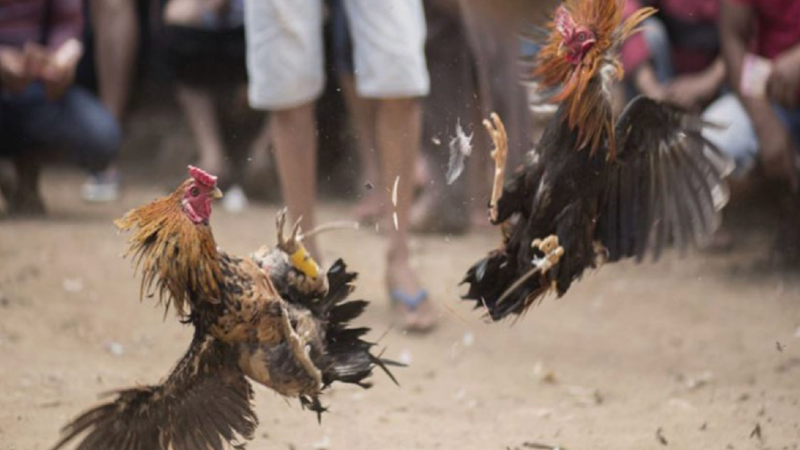
How to tape gamecock spurs correctly is a fundamental skill for any serious enthusiast. Mastering this process ensures both the rooster's safety and optimal performance during a match. A secure wrapping job can be the difference between a clean strike and a potential injury. Discover the professional secrets to achieving the perfect wrap right here with daga.
Understanding the foundational importance of proper spur taping
The process of securing spurs daga is a critical preparation step before any match. A precise taping method provides the stability needed for the gaffs to function as intended. Without a firm hold, the spurs can shift, reducing their effectiveness or even causing harm to the rooster itself. This meticulous preparation reflects a handler's experience and dedication to the sport.
Proper technique also plays a massive role in ensuring a fair contest. When spurs are attached correctly according to regulations, it creates an even field for both competitors. This focus on detail elevates the sport, emphasizing skill over chance. Learning how to tape gamecock spurs is therefore non-negotiable for anyone looking to participate responsibly. The integrity of the match depends heavily on this preliminary procedure being executed flawlessly by the handler.

Importance of how to tape gamecock spurs
Key tools and equipment required for the job
Gathering the right equipment beforehand makes the entire process smoother plus more efficient. A well-prepared station minimizes stress for both the handler and the rooster. Having everything within reach allows for an uninterrupted and focused application.
Choosing the ideal tape
The selection of tape is far more nuanced than many beginners often realize. Look for cloth-based athletic tape with a width of about one inch. This specific material provides a superior balance of robust adhesion plus flexibility. Avoid using plastic or overly slick tapes as they can slip under pressure.
Essential supplementary tools
A quality pair of blunt-nosed scissors is absolutely necessary for safe removal. Sharp points create an unnecessary risk of injuring the gamecock after the match. You will also need soft, clean cloths plus a mild antiseptic solution. These are used to prepare the rooster's leg before the taping process begins.
A step-by-step guide to mastering the spur taping technique
Executing the perfect wrap requires patience, a steady hand, plus an understanding of the rooster's anatomy. The following steps break down the process into manageable actions for consistent results. Each stage is crucial for building a secure foundation for the gaff, so attention to detail is paramount.
How to tape gamecock spurs - Preparing the rooster
First, you must ensure the gamecock is calm and securely held. A gentle yet firm grip helps prevent sudden movements during the process. Carefully clean the rooster's leg plus the natural spur with a soft cloth. This removes any debris that could interfere with the tape's adhesion.
Selecting the right materials
You should always choose high-quality athletic or medical tape for the procedure. These materials offer strong adhesion without being overly restrictive on the leg. The gaffs themselves must be clean plus free from any defects or damage. Using substandard supplies can lead to failure during a critical moment.

Standard steps for taping cock spurs
The anchoring technique
Begin by creating a small anchor wrap around the rooster's leg above the spur. This initial layer should be snug but never tight enough to cut off circulation. Next, place the gaff into its correct position against the natural spur. The alignment must be perfect to ensure the angle is correct for competition. This is a key part of learning how to tape gamecock spurs.
Securing the gaff
Wrap the tape in a figure-eight pattern around the gaff and the leg. This method provides multidirectional support, locking the spur firmly in place. Each pass of the tape should slightly overlap the previous one for maximum strength. The final wrap should be smooth with no loose ends. Your ability to execute this step shows true mastery of how to tape gamecock spurs.
Common mistakes to avoid when taping gamecock spurs
Even experienced handlers can make errors if they lose focus. Knowing the common pitfalls is essential for avoiding them. One frequent issue is taping too tightly, which can restrict blood flow and cause serious injury to the rooster's leg. Consistent practice helps you sense the proper level of tension.
Another major error is applying the tape too loosely. A loose spur is a significant hazard, as it can easily become dislodged during the match. Using old or poor-quality tape is also a path to failure, as its adhesive properties may be compromised. The experts on daga always emphasize the importance of using fresh, reliable materials for every single match. Learning how to tape gamecock spurs properly involves avoiding these simple errors.
Advanced insights from the professionals
Once you have mastered the basics, you can begin to explore more nuanced techniques. Professional handlers develop subtle variations that suit specific roosters or competitive situations. These advanced skills are what separate the good from the great. A deep understanding of how to tape gamecock spurs opens up new levels of strategy.

Spur bandaging experience from experts
Adjusting for different gaffs
The taping method may need slight adjustments for different types of gaffs. Longer spurs might require a wider base wrap for additional stability. Shorter spurs, conversely, need a very precise wrap to ensure they are secure. A versatile handler knows how to tape gamecock spurs of any style effectively.
Checking for stability
After taping, always perform a gentle stability check on the spur. It should not wiggle or rotate with light pressure from your finger. The gaff needs to feel like a natural extension of the rooster's leg. This final inspection confirms that your lesson in how to tape gamecock spurs has been successful.
Post-match removal
Removing the tape after a match is just as important as applying it. Use a pair of blunt-nosed scissors to carefully cut the tape away. Always cut away from the leg to prevent accidental injury to the rooster. This careful removal is the final step in knowing how to tape gamecock spurs from start to finish. Enthusiasts who master the technique show respect for the animal.
Conclusion
In conclusion, knowing how to tape gamecock spurs is an essential skill that combines safety with performance. By following these expert steps and avoiding common mistakes, you can ensure a secure and effective wrap every time. To learn more advanced techniques and explore other guides, visit the https://www.dagaclub.baby/ directory today.